EXPERIMENT 3 : DATA ALCHEMY
The experiment began with data collected from our "Rhythm of Body" exercise, where each participant meticulously recorded their pulse, breath, and blink metrics over a set period. This process not only allowed us to engage with our own bodily rhythms but also provided a rich dataset that served as the foundation for our creative exploration. Once we gathered the data, it was exported into a .csv file, which we then imported into a p5.js sketch designed to generate dynamic visual compositions.
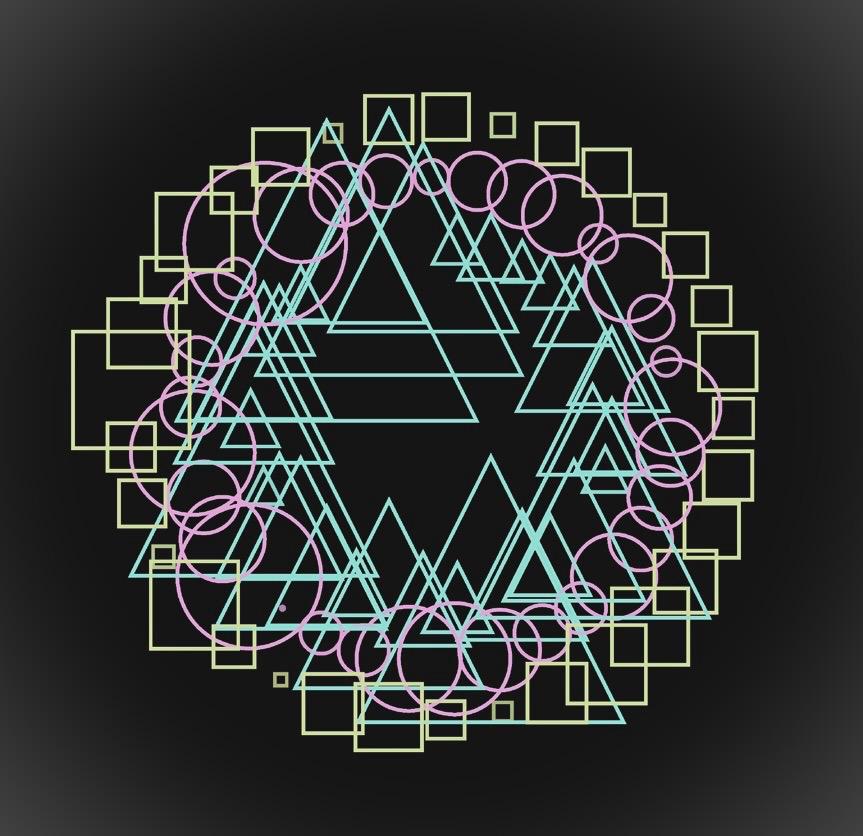
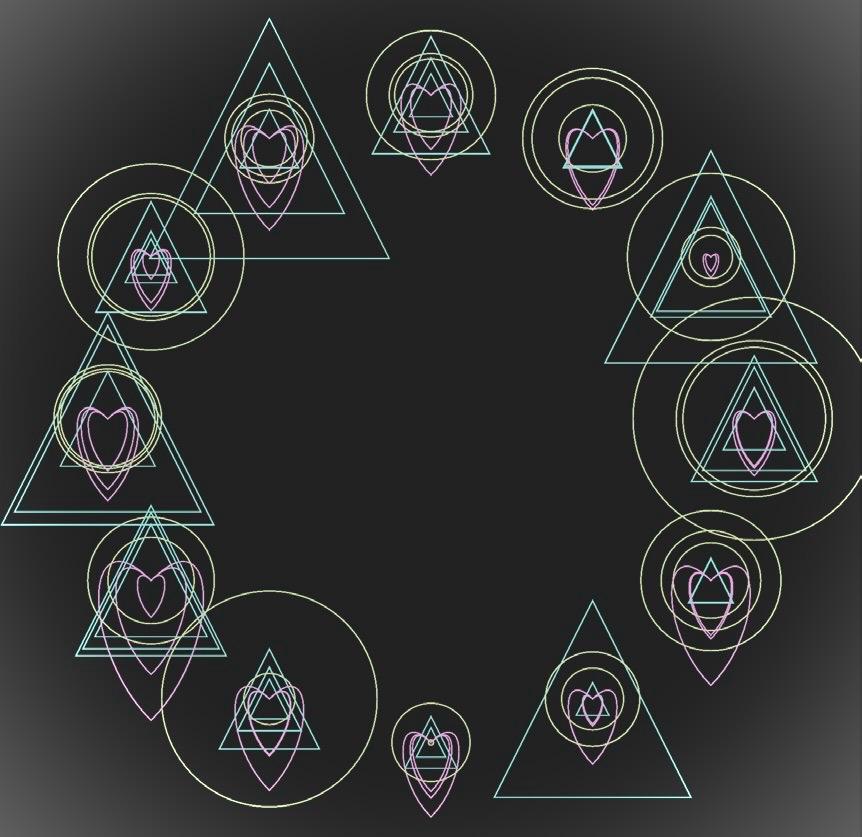
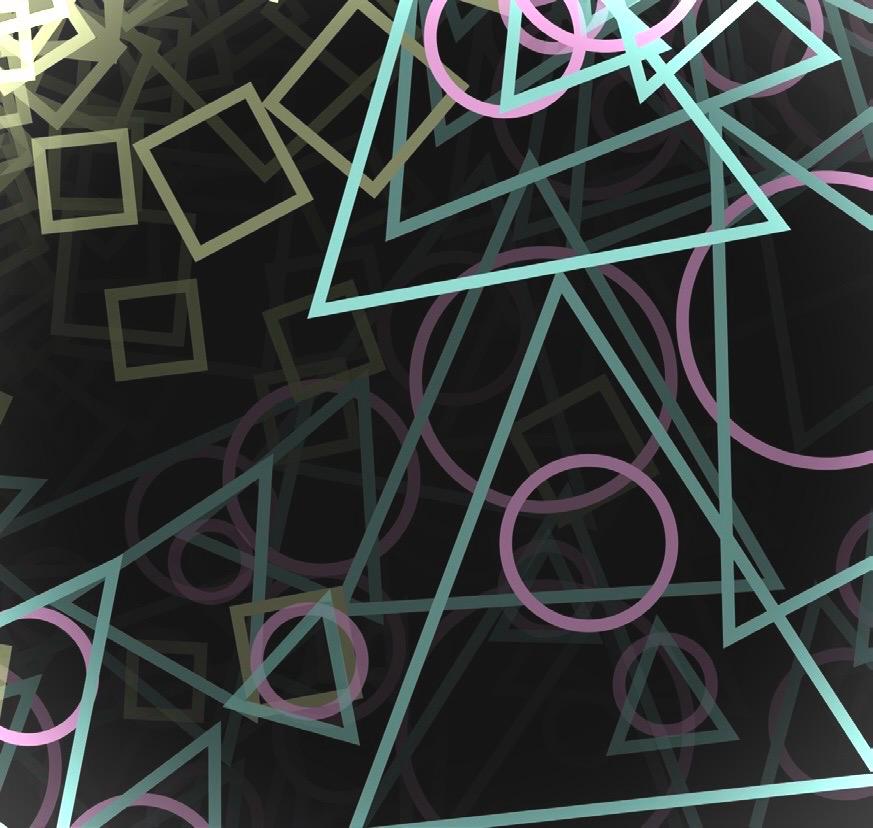
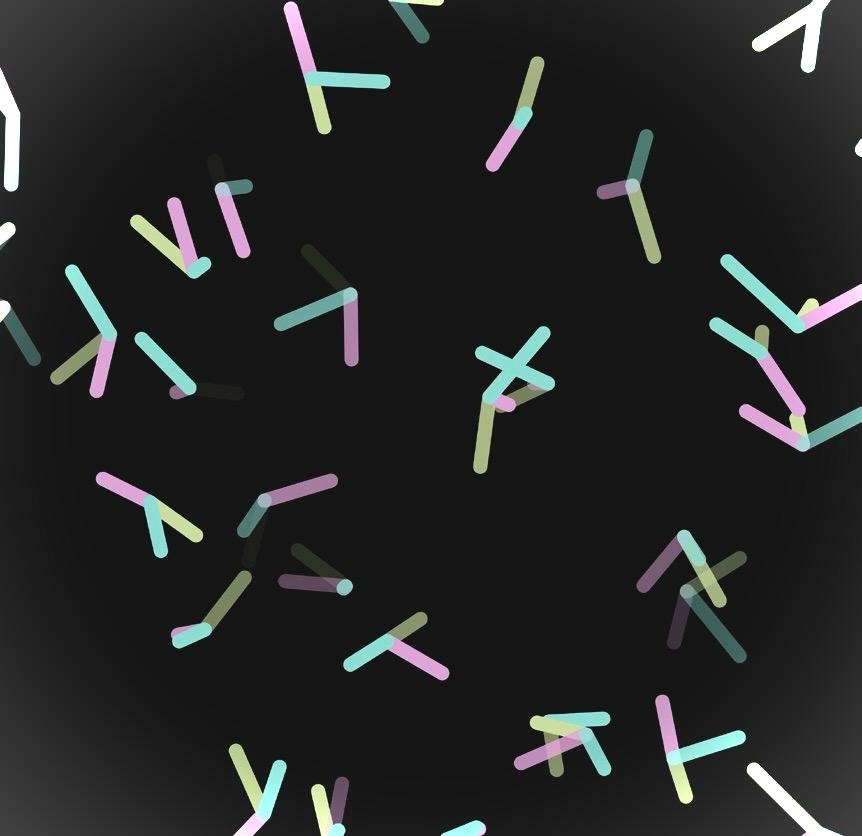
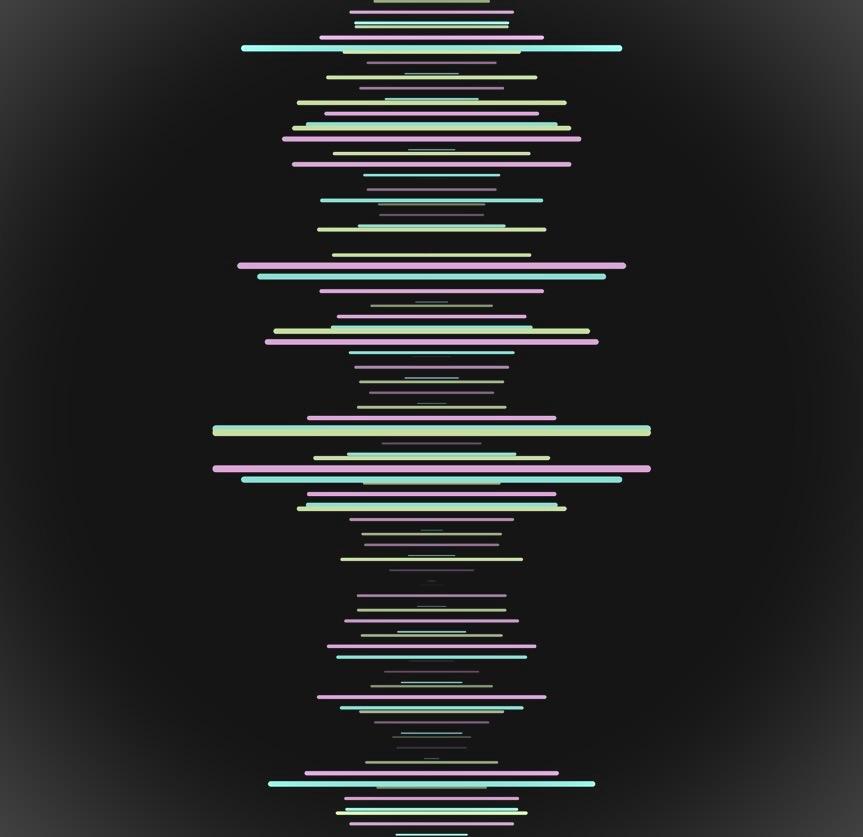
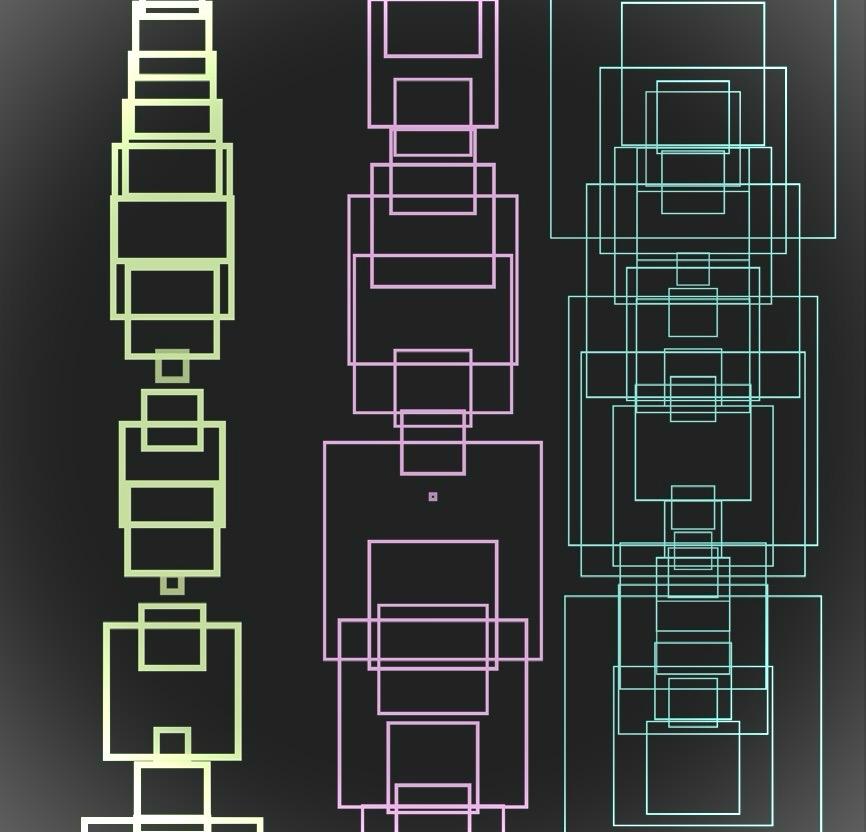
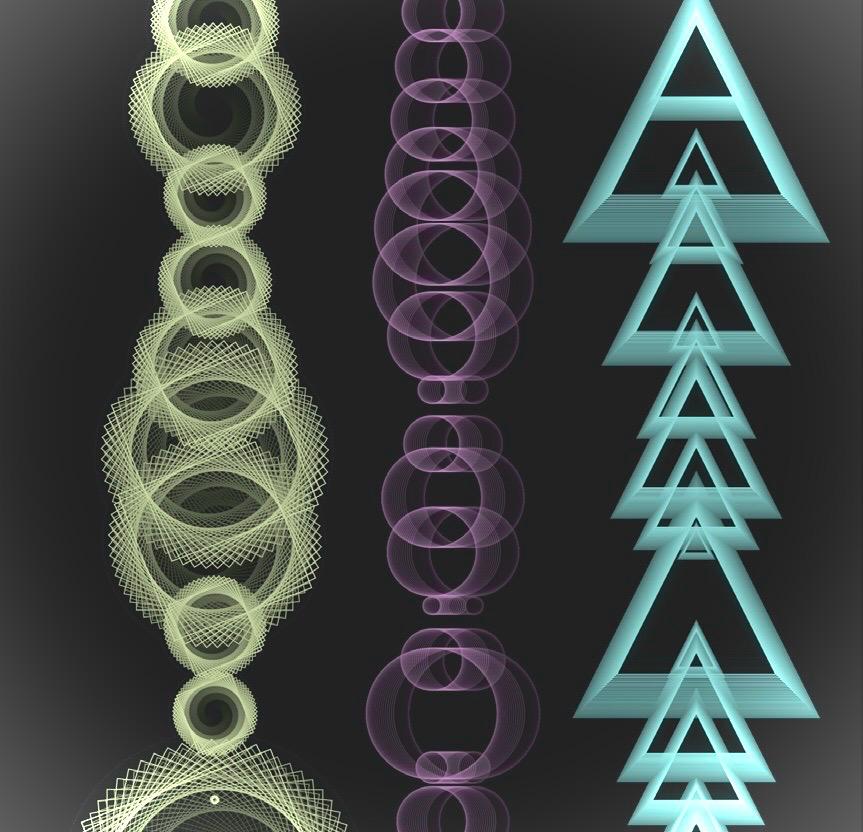
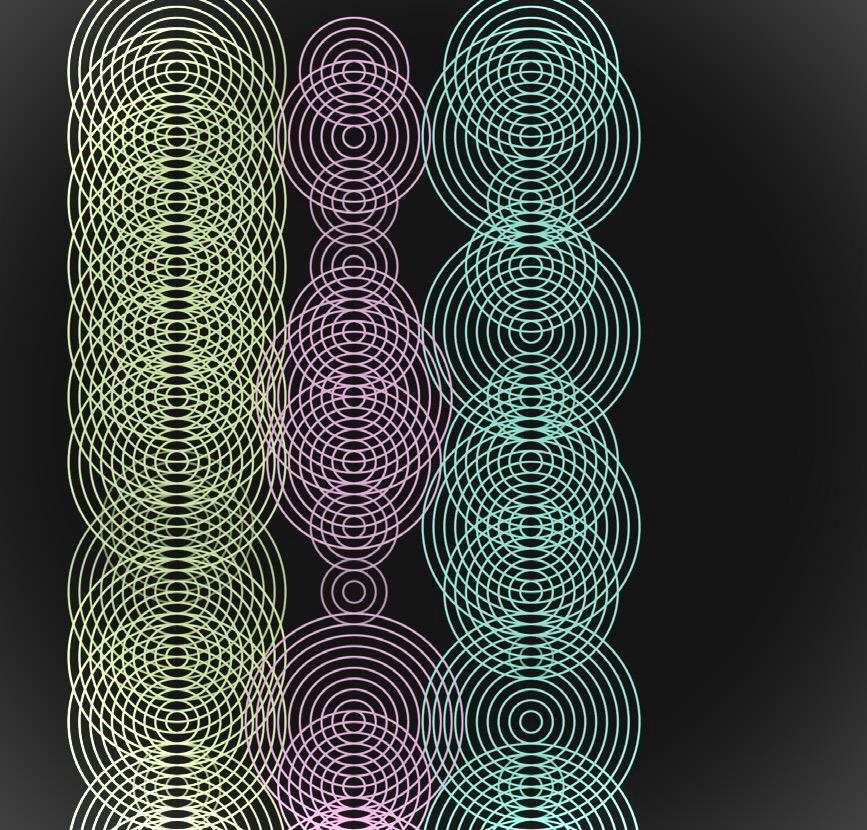
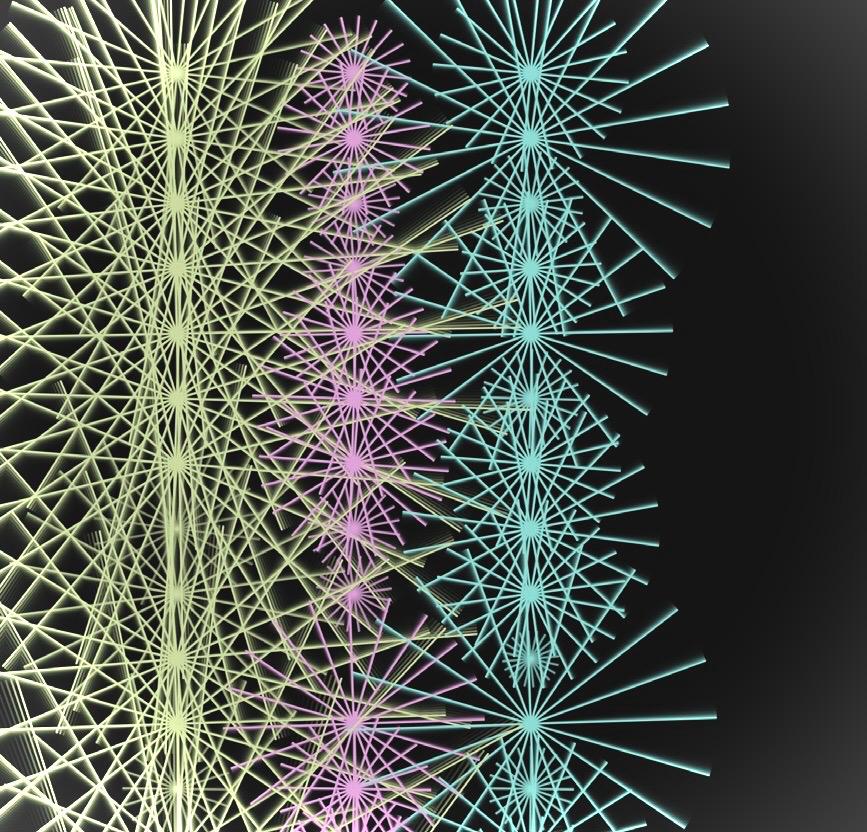
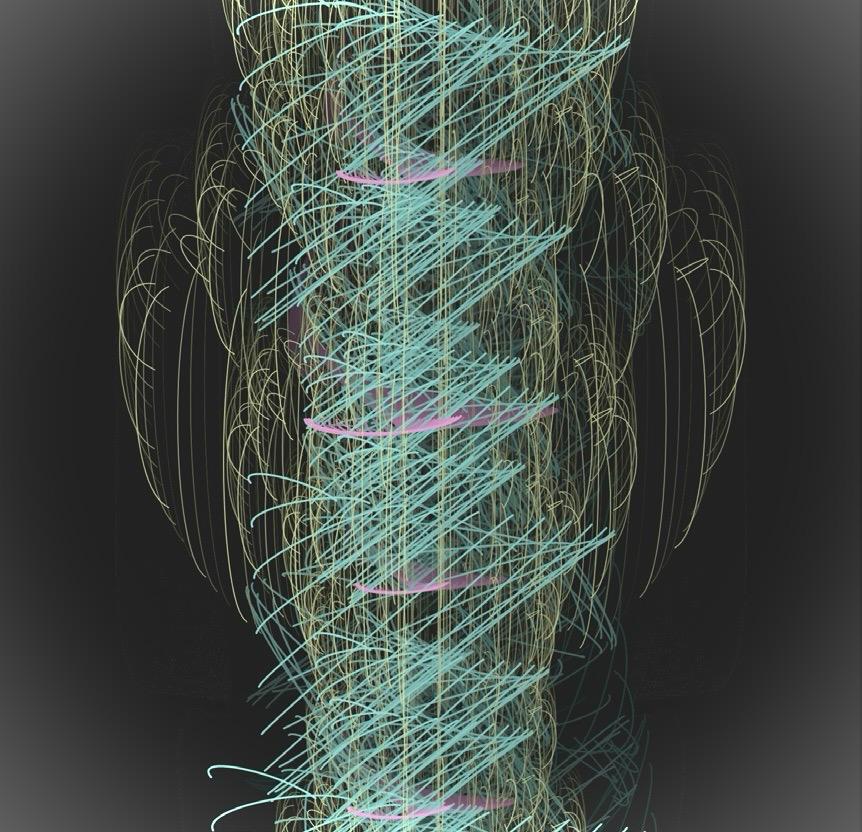
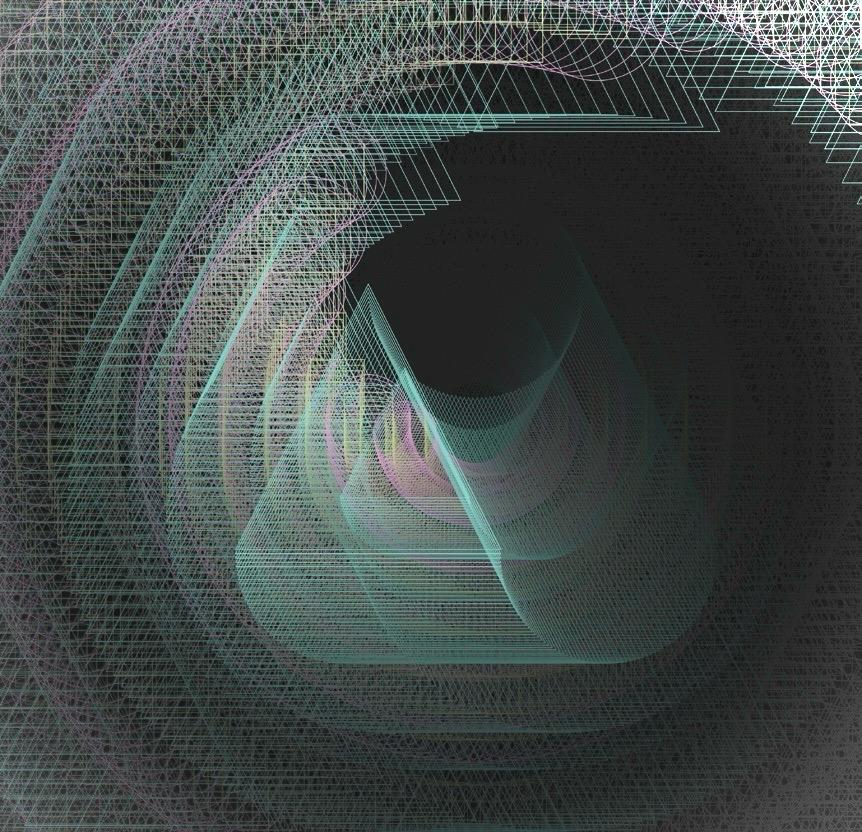
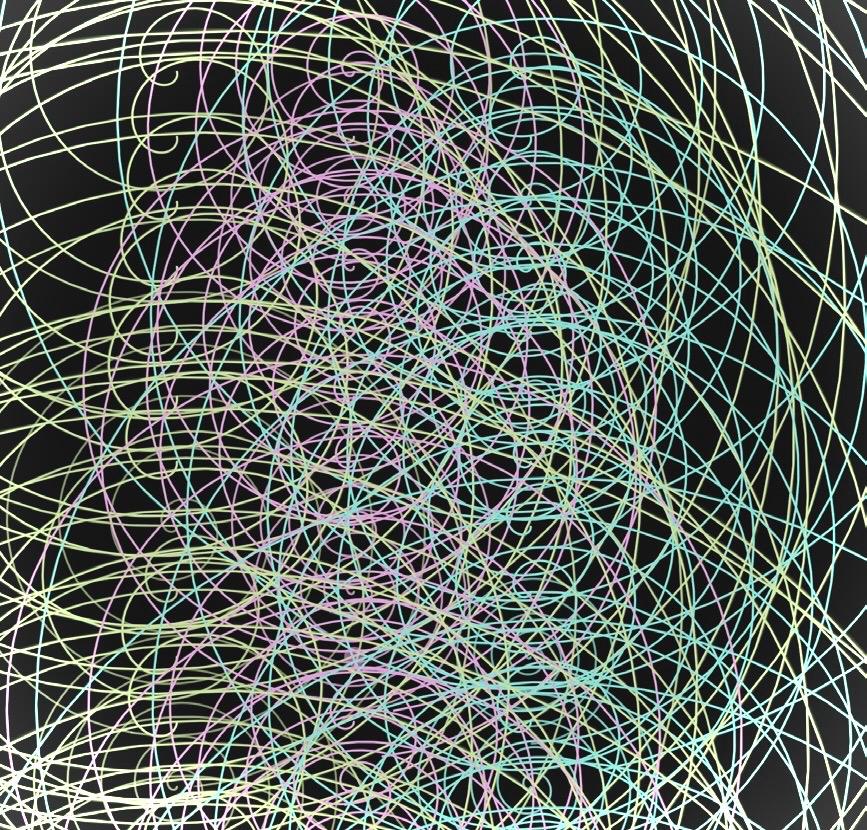
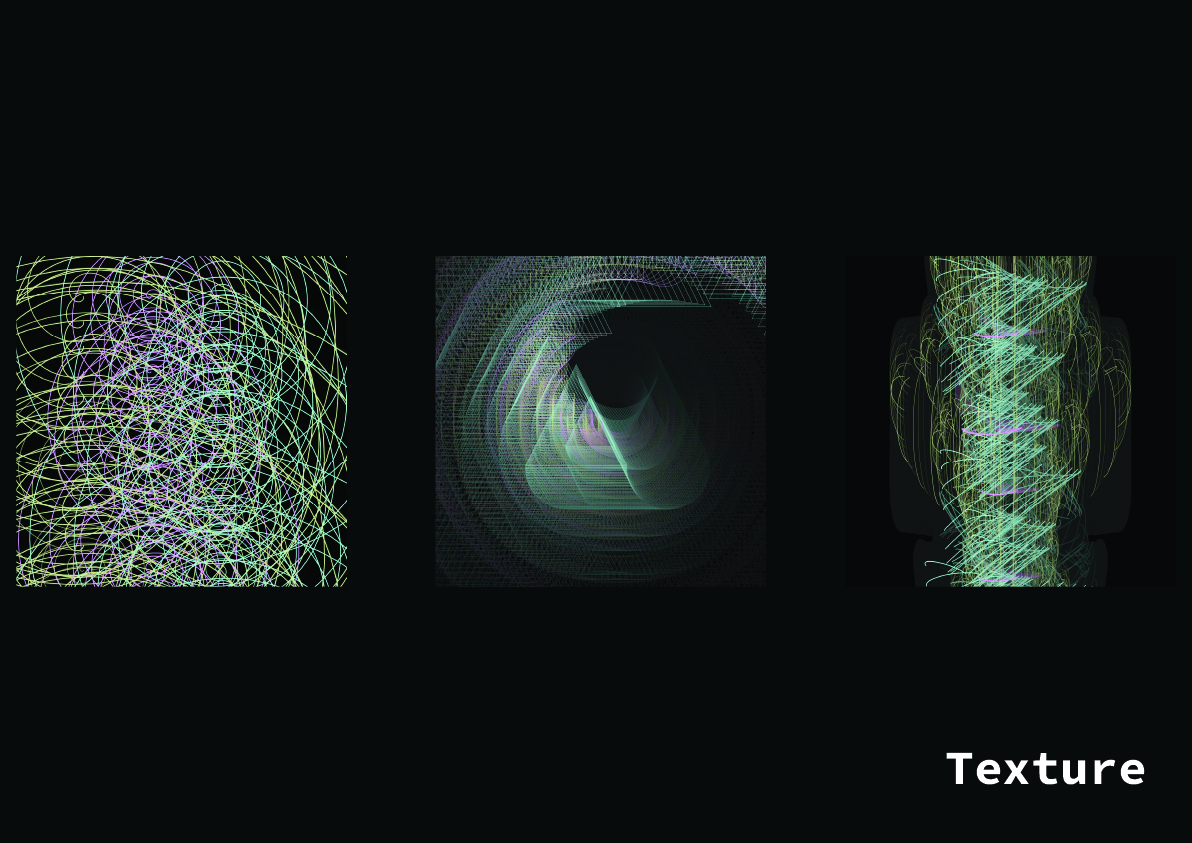
Our aim was to transform these recorded body rhythms into expressive and abstract visual forms, effectively translating physiological data into captivating visuals. Each of us aimed to create four unique visuals, each focused on different themes: harmony, scale, movement, and texture. This thematic approach encouraged us to think critically about how to represent our individual experiences through visual means.
As we delved into the creation process, we experimented with a variety of forms and controls in p5.js. We played with size variations, scaling elements up or down to represent the intensity of our metrics at different times. This not only allowed us to create striking visuals but also helped convey the emotional weight behind our data.
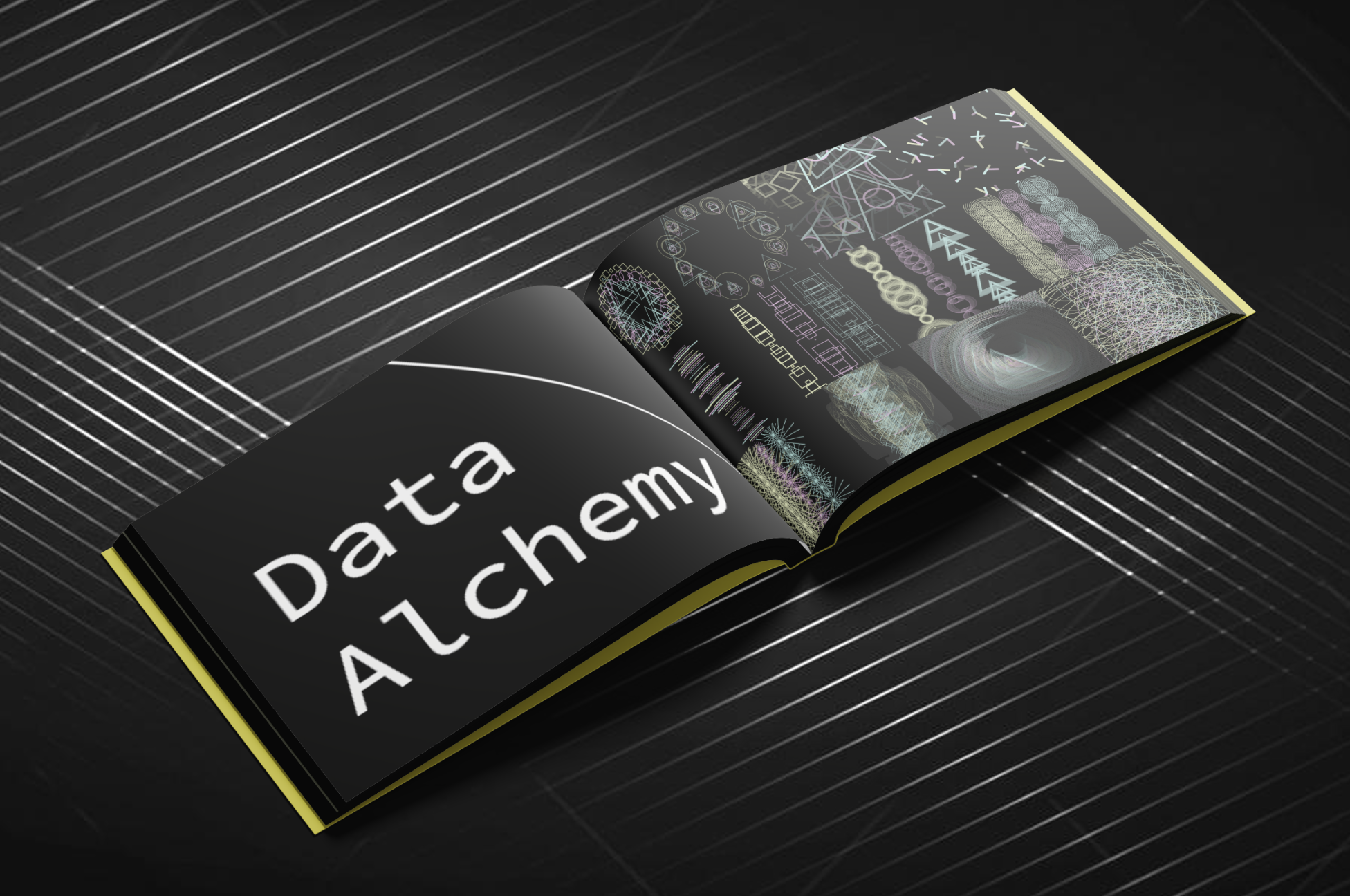
As we wrapped up our creations, we began compiling the resulting works into a printed format. This step was particularly exciting, as it allowed us to showcase our journey from raw data to finished artwork, bridging the gap between the physical and digital realms. The printed visuals not only highlight our individual contributions but also celebrate the collective experience of transforming our physiological data into compelling art.
"Data is the new science. Big Data holds the answers because it really powers everything that we do, you can have data without information, but you cannot have information without data."
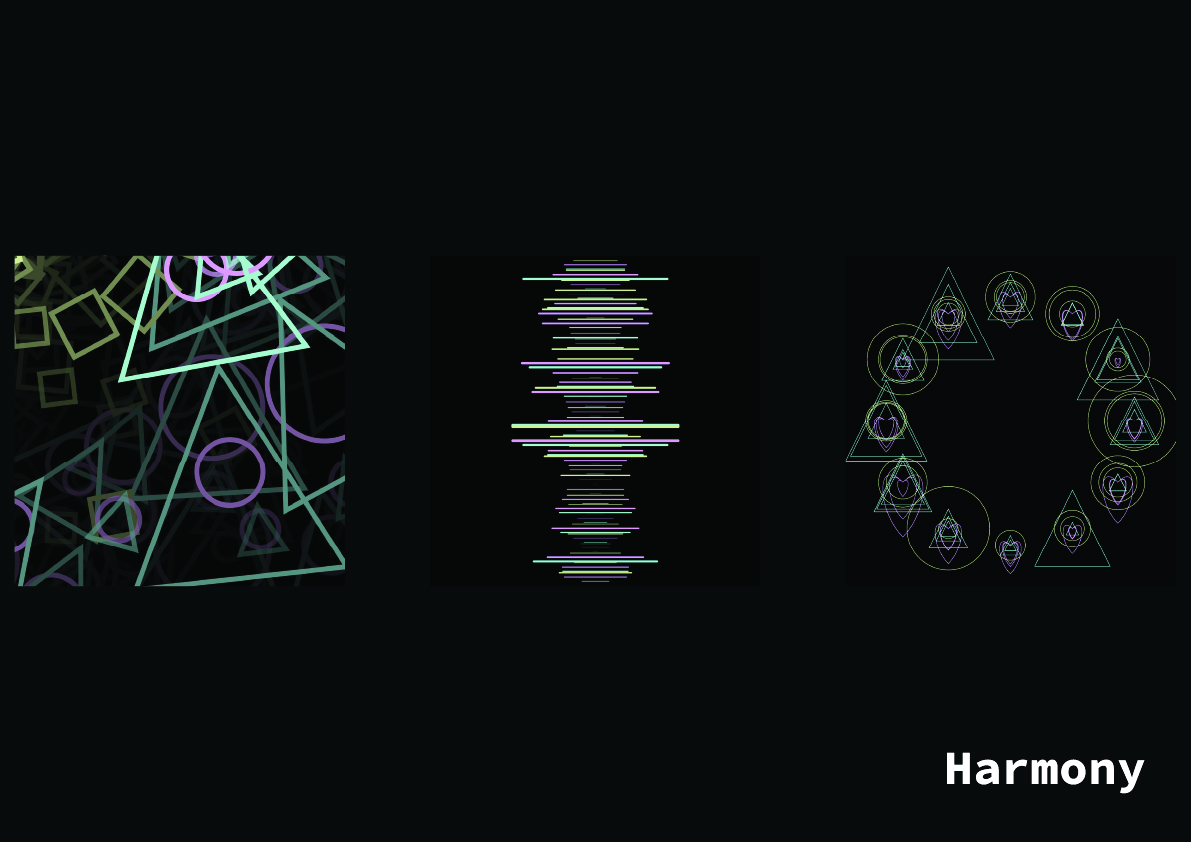
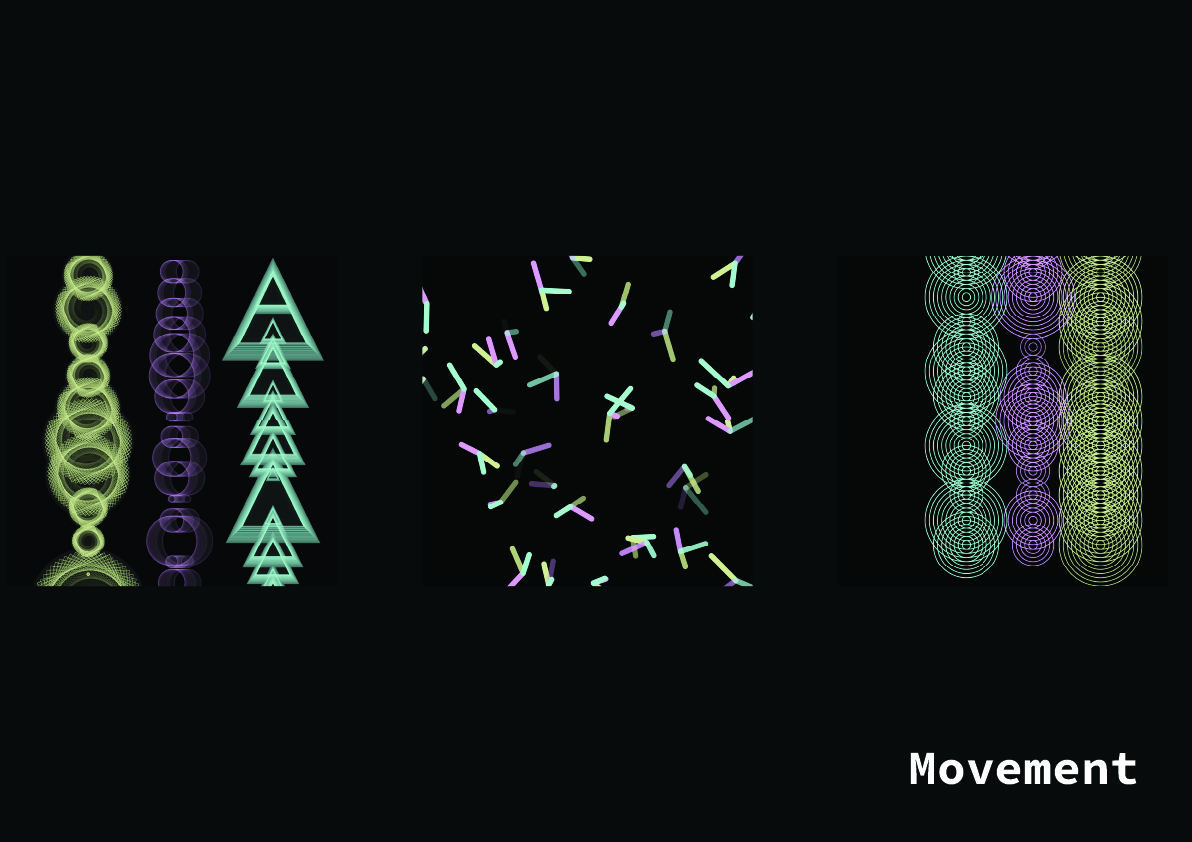
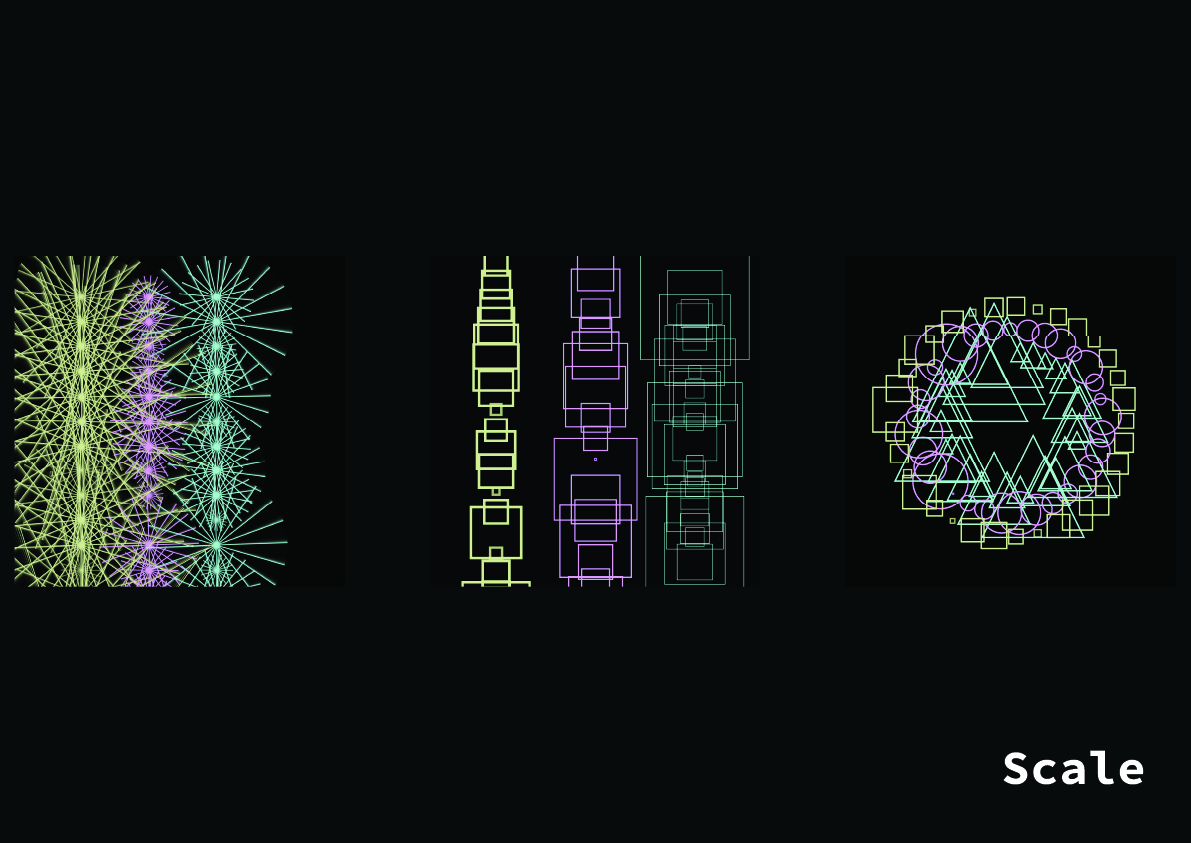
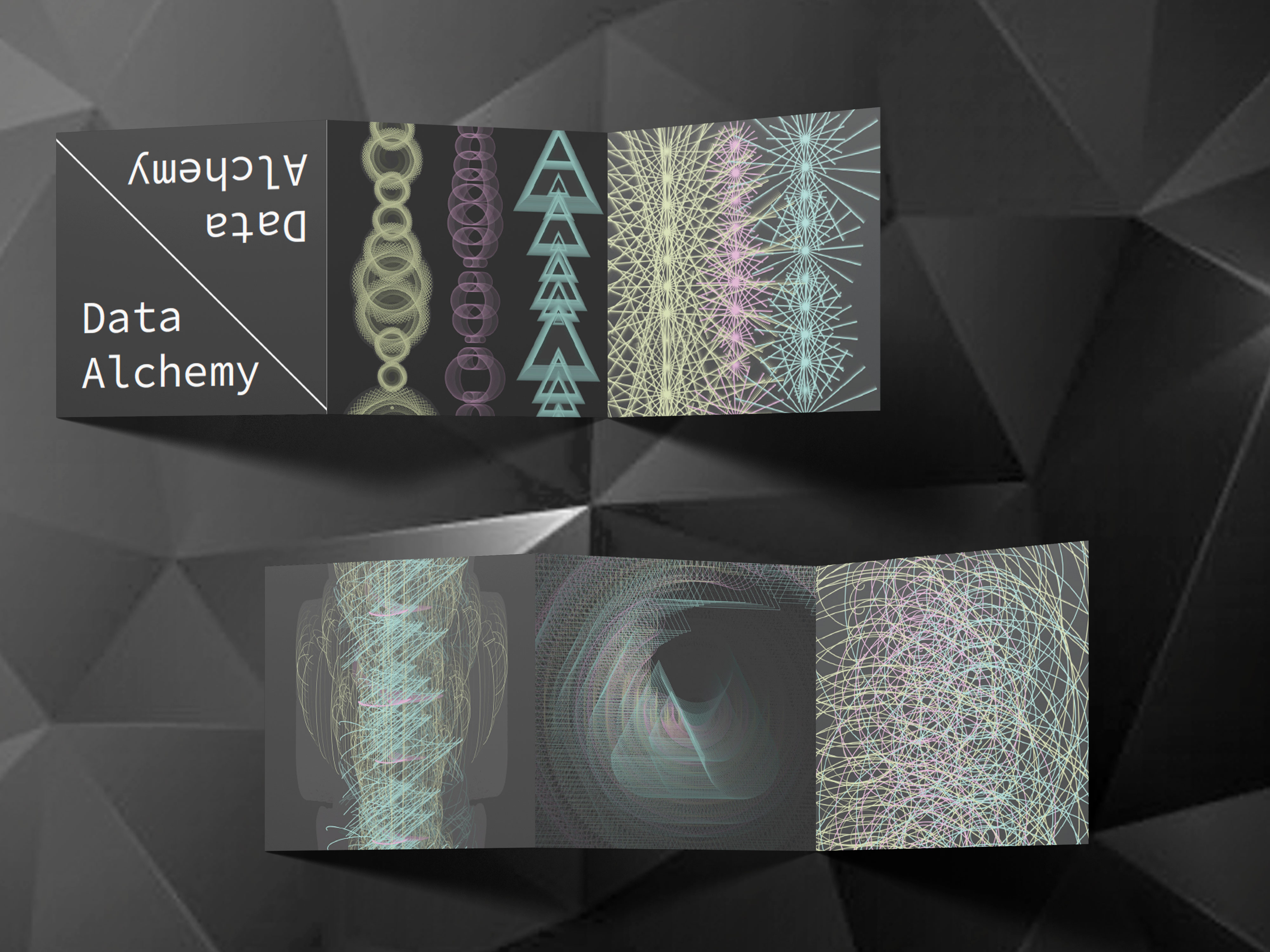
Experiment 3 allowed us to delve deeply into the intersection of data and visual art, transforming our recorded physiological metrics into compelling visual narratives. By meticulously documenting our pulse, breath and blink in experiment 1, we created a rich dataset that served as the foundation for our creative exploration. Using p5.js, we transformed this data into dynamic visual compositions that expressed themes of harmony, scale, movement, and texture, encouraging us to reflect on our individual experiences in new ways. The process of experimenting with forms and controls not only enhanced our artistic skills but also emphasized the emotional resonance behind our metrics. Compiling our works into a printed format marked a significant milestone, bridging the digital and physical realms while showcasing our collective journey.